We Use CookiesWe use cookies to enhance the security, performance, functionality and for analytical and promotional activities. By continuing to browse this site you are agreeing to our privacy policy

Best Fruit Tree Fertilizers

From leading brands and best sellers available on the web.
#1

Winner

Miracle-Gro Shake 'N Feed Citrus, A

Miracle-Gro

5%OFF

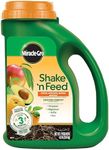
Miracle-Gro Shake 'N Feed Citrus, Avocado, Mango Plant Food - Fertilizer for Container and In-Ground Plants, Citrus, Avocado and Mango Trees, 8 lbs.

View on Amazon
#2
Miracle-Gro Shake 'N Feed Citrus, A

Miracle-Gro

12%OFF

Miracle-Gro Shake 'N Feed Citrus, Avocado, Mango Plant Food - Fertilizer for Container and In-Ground Plants, Citrus, Avocado and Mango Trees, 4.5 lbs.

View on Amazon
#3
10-10-10 Plant Fertilizer Slow Rele

GARDENWISE

19%OFF

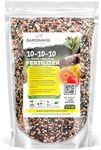
10-10-10 Plant Fertilizer Slow Release - 10 10 10 All Purpose Granular Garden Fertilizer for Vegetables, Tomato, Arborvitae, Shrubs, Rose, Flowers, Fruit, Fig Trees (5 QUARTS)
View on Amazon
#4
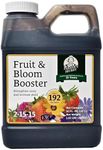
Farmer’s Secret Fruit & Bloom Boost

Farmer's Secret

14%OFF

Farmer’s Secret Fruit & Bloom Booster Fertilizer - Super Concentrated - Boosts Flowering and Yield on All Varieties of Fruits, Vegetables and Flowers (16oz)
View on Amazon
#5
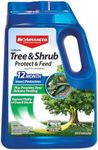
BioAdvanced 12 Month Tree and Shrub

Bayer Advanced

BioAdvanced 12 Month Tree and Shrub Protect and Feed, Granules, 10 lb, Insect Killer, Tree Fertilizer & Plant Food

View on Amazon
#6
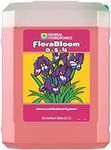
General Hydroponics FloraBloom 0-5-

General Hydroponics

General Hydroponics FloraBloom 0-5-4 Advanced Nutrient System to Provide Nutrients for Reproductive Growth, 6 Gal.
View on Amazon
#7
Farmer’s Secret Fruit & Bloom Boost

Farmer's Secret

5%OFF

Farmer’s Secret Fruit & Bloom Booster Fertilizer - Super Concentrated - Boosts Flowering and Yield on All Varieties of Fruits, Vegetables and Flowers (8oz)
View on Amazon
#8
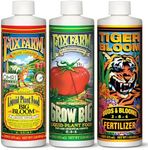
FoxFarm Soil Liquid Trio Pack - Big

FoxFarm

FoxFarm Soil Liquid Trio Pack - Big Bloom, Grow Big, Tiger Bloom Fertilizers Supports Vigorous Plant Growth, Bud Development & Abundant Fruit - Complete Liquid Plant Food Set - 3 Pint Bottles
View on Amazon
#9
Miracle-Gro Fruit & Citrus Plant Fo

Miracle-Gro

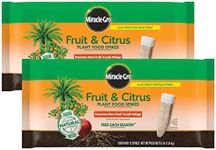
Miracle-Gro Fruit & Citrus Plant Food Spikes, 12 Spikes, 3 lb. (2-Pack)
View on Amazon
#10
10-10-10 Plant Fertilizer Slow Rele

GARDENWISE

19%OFF

10-10-10 Plant Fertilizer Slow Release - 10 10 10 All Purpose Granular Garden Fertilizer for Vegetables, Tomato, Arborvitae, Shrubs, Rose, Flowers, Fruit, Fig Trees (1/2 Quart)

View on Amazon
How do we rank products for you?

Our technology thoroughly searches through the online shopping world, reviewing hundreds of sites. We then process and analyze this information, updating in real-time to bring you the latest top-rated products. This way, you always get the best and most current options available.

headphones-stars

Most Popular Categories Right Now

Buying Guide for the Best Fruit Tree Fertilizers

Choosing the right fertilizer for your fruit trees is essential for ensuring healthy growth and a bountiful harvest. Fertilizers provide the necessary nutrients that fruit trees need to thrive, but not all fertilizers are created equal. Understanding the key specifications and how they relate to your specific needs will help you make an informed decision. Here are the key specs to consider when selecting a fruit tree fertilizer.
N-P-K RatioThe N-P-K ratio represents the percentage of nitrogen (N), phosphorus (P), and potassium (K) in the fertilizer. Nitrogen promotes leafy growth, phosphorus supports root and flower development, and potassium enhances overall plant health. For fruit trees, a balanced ratio like 10-10-10 or one slightly higher in phosphorus, such as 5-10-5, is often recommended. If your trees are young and need more leafy growth, a higher nitrogen ratio might be beneficial. For mature trees focusing on fruit production, a higher phosphorus content can be more advantageous.
Type of FertilizerFertilizers come in various forms, including granular, liquid, and spikes. Granular fertilizers are easy to apply and provide a slow release of nutrients over time. Liquid fertilizers offer quick absorption and are ideal for immediate nutrient needs. Fertilizer spikes are convenient and provide a steady release of nutrients directly to the root zone. Choose granular if you prefer a low-maintenance option, liquid for quick results, and spikes for targeted feeding.
Organic vs. SyntheticOrganic fertilizers are made from natural materials and improve soil health over time, while synthetic fertilizers are chemically formulated for immediate nutrient availability. Organic options, such as compost or manure, are great for long-term soil health and sustainability. Synthetic fertilizers can provide a quick nutrient boost but may not improve soil structure. If you prioritize eco-friendliness and soil health, go for organic. If you need rapid results, synthetic might be the way to go.
MicronutrientsIn addition to the primary nutrients (N-P-K), fruit trees also need micronutrients like iron, zinc, and manganese for optimal growth. Some fertilizers include these micronutrients, which can be beneficial if your soil is deficient. Check the product label for a list of included micronutrients. If your soil tests indicate a deficiency in specific micronutrients, choose a fertilizer that addresses those needs.
Application FrequencyDifferent fertilizers have varying application frequencies, ranging from once a year to every few weeks. Slow-release fertilizers typically require less frequent application, while liquid fertilizers may need to be applied more often. Consider your schedule and how much time you can dedicate to fertilizing your trees. If you prefer less frequent maintenance, opt for a slow-release fertilizer. If you can commit to regular feeding, a liquid fertilizer might be suitable.
Soil pH CompatibilityThe pH level of your soil can affect nutrient availability to your fruit trees. Some fertilizers are formulated to work best within specific pH ranges. Test your soil's pH before selecting a fertilizer and choose one that matches your soil's pH level. If your soil is too acidic or alkaline, you may need to adjust the pH before applying the fertilizer to ensure optimal nutrient uptake.