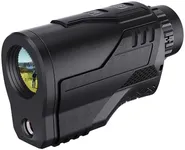
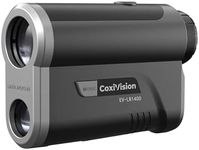
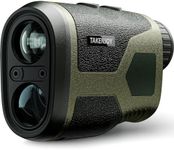
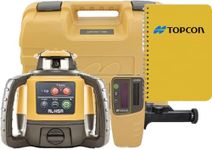
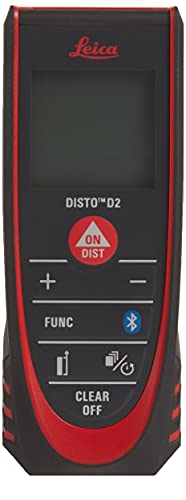
Buying Guide for the Best Laser Measures
Choosing the right laser measure can make a significant difference in the accuracy and efficiency of your measurements. Laser measures are handy tools for a variety of tasks, from simple home improvement projects to professional construction work. To find the best fit for your needs, it's important to understand the key specifications and how they relate to your specific requirements.RangeThe range of a laser measure indicates the maximum distance it can accurately measure. This is important because it determines the scope of projects you can handle. For small indoor tasks, a range of up to 50 feet may be sufficient. For larger indoor spaces or outdoor projects, you might need a range of 100 feet or more. Consider the typical distances you will be measuring to choose the appropriate range.
AccuracyAccuracy refers to how close the laser measure's readings are to the actual distance. This is crucial for ensuring precise measurements, especially in professional settings. Accuracy is usually expressed in terms of plus or minus a certain number of millimeters. For most home projects, an accuracy of ±1/8 inch is adequate. For professional use, look for higher accuracy, such as ±1/16 inch or better.
Measurement UnitsLaser measures can display measurements in different units, such as feet, inches, and meters. This feature is important for ensuring compatibility with your project requirements and personal preferences. Some models allow you to switch between units, which can be useful if you work on diverse projects. Choose a laser measure that offers the units you are most comfortable working with.
DisplayThe display on a laser measure shows the measurement results and other relevant information. A clear, easy-to-read display is important for quickly and accurately interpreting measurements. Look for features like backlighting for better visibility in low-light conditions and large digits for easier reading. If you often work in bright sunlight or dark environments, these features can be particularly beneficial.
FunctionalityDifferent laser measures come with various functions, such as area and volume calculations, continuous measurement, and indirect measurement using the Pythagorean theorem. These functions can save time and effort, especially for complex projects. Consider the types of measurements you frequently perform and choose a laser measure with the appropriate functions to meet your needs.
DurabilityDurability refers to the laser measure's ability to withstand tough working conditions. This is important if you plan to use the tool in harsh environments, such as construction sites. Look for features like water and dust resistance, shockproof housing, and a robust build. If you need a laser measure for heavy-duty use, prioritize models with higher durability ratings.
Battery LifeBattery life determines how long the laser measure can operate before needing a recharge or battery replacement. This is important for ensuring uninterrupted work, especially on long projects. Some models use rechargeable batteries, while others use standard batteries. Consider how often you will use the laser measure and choose a model with a battery life that matches your usage patterns.
Size and WeightThe size and weight of a laser measure affect its portability and ease of use. A compact and lightweight model is easier to carry around and handle, especially for extended periods. However, smaller models may have fewer features. Consider your need for portability versus functionality and choose a size and weight that balance both aspects for your specific use case.