We Use CookiesWe use cookies to enhance the security, performance, functionality and for analytical and promotional activities. By continuing to browse this site you are agreeing to our privacy policy

Best Monitors

From leading brands and best sellers available on the web.
#1

Winner

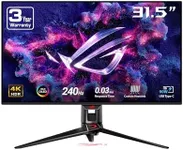
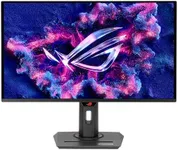
ASUS ROG Swift 32” 4K OLED Gaming M

ASUS

6%OFF

ASUS ROG Swift 32” 4K OLED Gaming Monitor (PG32UCDM) - UHD (3840 x 2160), QD-OLED, 240Hz, 0.03ms, G-SYNC Compatible, Custom Heatsink, Graphene Film, 99% DCI-P3, True 10-bit, 90W USB-C

View on Amazon
#2
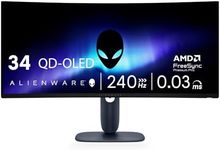
Alienware 34 240Hz QD-OLED Curved G

Alienware

6%OFF

Alienware 34 240Hz QD-OLED Curved Gaming Monitor - AW3425DW - 34.2-inch WQHD (3440 x 1440) 0.03ms Display, 1800R Curve, AMD FreeSync Premium Pro, VESA AdaptiveSync, DisplayHDR TrueBlack 400
View on Amazon
#3
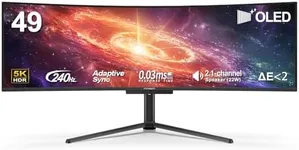
Samsung 49" Odyssey G93SC Series Cu

Samsung

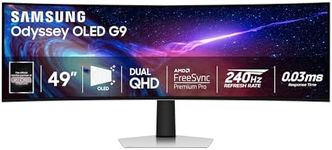
Samsung 49" Odyssey G93SC Series Curved Gaming Monitor, QD-OLED, 240Hz, 0.03ms, DQHD, G-Sync Compatible, FreeSync Premium Pro, Adjustable Stand
View on Amazon
#4
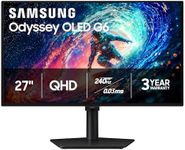
Samsung 27" Odyssey OLED G6 (G61SH)

Samsung

17%OFF

Samsung 27" Odyssey OLED G6 (G61SH) Gaming Monitor - QD-OLED, QHD (1440P), 240Hz, 0.03ms, Glare-Free, Pantone Validated, HDR10, Height-adjustable stand, OLED Safeguard, 3 Year Warranty, LS27HG612SNXZA
View on Amazon
#5
Alienware AW2725DF OLED Gaming Moni

Alienware

8%OFF

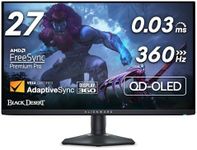
Alienware AW2725DF OLED Gaming Monitor - 26.7-inch Quantom-Dot WQHD (2560x1440) 360Hz 0.03Ms Display, AMD FreeSync Premium Pro, HDMI/DP/USB 3.2 Gen1, Height/Tilt/Swivel/Pivot Adjustability - Black

View on Amazon
#6
ASUS ROG Strix 26.5” 1440P QD-OLED

ASUS

5%OFF

ASUS ROG Strix 26.5” 1440P QD-OLED Gaming Monitor (XG27ACDNG) -QHD (2560x1440), 360Hz, 0.03ms, Custom Heatsink, OLED Care+, G-SYNC Compatible, 99% DCI-P3, DisplayWidget, AI Gaming, 3yr Warranty
View on Amazon
#7
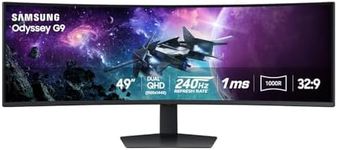
SAMSUNG 49" Odyssey G9 (G95C) Serie

Samsung

SAMSUNG 49" Odyssey G9 (G95C) Series DQHD 1000R Curved Gaming Monitor, 240Hz, 1ms(GtG), DisplayHDR 1000, AMD FreeSync Premium Pro, Eye Saver Mode, Auto Source Switch+, LS49CG950ENXZA, 2024
View on Amazon
#8
GIGABYTE - MO27Q28GR - 27" W-OLED G

GIGABYTE

17%OFF

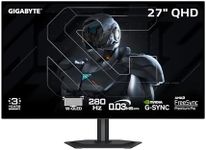
GIGABYTE - MO27Q28GR - 27" W-OLED Gaming Monitor - QHD 2560x1440-280Hz - 0.03ms GTG - AMD FreeSync Premium Pro, G-SYNC Compatible - Type-C KVM - HDMI, DP, Type-C - Height and Tilt Adjustable - Black

View on Amazon
#9
msi MPG 321URX QD-OLED, 32" 4K UHD

msi

msi MPG 321URX QD-OLED, 32" 4K UHD Quantum Dot OLED Gaming Monitor, 3840 x 2160, 0.03ms, 240Hz, True Black HDR 400, 90W USB Type C, HDMI, DP Port
View on Amazon
#10
GIGABYTE - MO27U2-27" QD-OLED Gamin

GIGABYTE

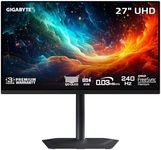
GIGABYTE - MO27U2-27" QD-OLED Gaming Monitor - UHD 3840x2160-240Hz - 0.03ms GTG - AMD FreeSync Premium Pro, G-SYNC Compatible - Type C KVM - HDMI, DP, Type-C - Height and Tilt Adjustable - Black

View on Amazon
How do we rank products for you?

Our technology thoroughly searches through the online shopping world, reviewing hundreds of sites. We then process and analyze this information, updating in real-time to bring you the latest top-rated products. This way, you always get the best and most current options available.

headphones-stars

Most Popular Categories Right Now

Buying Guide for the Best Monitors

Choosing the right monitor is important because it greatly affects your comfort and productivity, whether you're gaming, working, or watching movies. Everyone's needs are a bit different, so thinking about how you plan to use the monitor most often is a great starting point. Understanding basic specs can help you match a monitor to your needs, making your experience smoother and more enjoyable.
Screen SizeScreen size refers to the diagonal measurement of the monitor, often given in inches. This impacts how much you can see at once and how immersive your experience can be. Smaller screens (under 24 inches) are handy if space is tight or for casual use, while larger screens (27 inches and up) are better for multitasking, gaming, or design work, letting you see more detail. To decide on the size, think about the space you have and how close you’ll sit to the screen. If you prefer lots of windows open or work with graphics, a larger monitor makes sense.
ResolutionResolution is about how many pixels fit on the screen, usually shown as width x height (like 1920x1080). A higher resolution means a sharper picture and more space for details. Full HD (1920x1080) is standard and suitable for most needs, while higher resolutions like QHD (2560x1440) or 4K (3840x2160) offer sharper images, great for editing photos, videos, or having lots of apps visible at once. If you do detailed work or want the sharpest image, go higher; if you’re doing simple tasks, lower resolutions suffice.
Refresh RateRefresh rate is the number of times the image on the screen updates per second, measured in hertz (Hz). Standard monitors have 60Hz, which is enough for everyday use. Higher rates like 120Hz, 144Hz, or above make motion look smoother and are especially important for fast-paced gaming or video work. If you’re not gaming or editing video, sticking with 60Hz is fine; if you play a lot of games, look for higher refresh rates.
Panel TypePanel type refers to how the screen is built and affects color quality, viewing angles, and response time. The main types are TN, IPS, and VA. TN panels are fast and affordable, good for gaming where speed matters, but they have weaker colors and viewing angles. IPS panels deliver better color and wider viewing angles, making them ideal for design or general use. VA panels have strong contrast and deep blacks, so they’re great for movies. Pick the type that matches what you’ll be doing most.
ConnectivityConnectivity is about the types of ports the monitor has, like HDMI, DisplayPort, USB, or even USB-C. This matters for how you connect your computer and other devices. HDMI is very common for most devices, while DisplayPort supports higher refresh rates for advanced uses. Some monitors feature USB-C, which can charge laptops and transfer data at the same time, great for new devices. Make sure the monitor has the right ports for your computer and any extras you want to connect.
Adjustability and ErgonomicsAdjustability describes how you can move the monitor—height, tilt, swivel, and rotation. Good ergonomics help you stay comfortable if you use the monitor for hours. Some monitors only tilt, while others can also raise, rotate, or swivel side to side. If you’re at your desk a lot, look for options that let you adjust the screen position so you can avoid neck or eye strain.