We Use CookiesWe use cookies to enhance the security, performance, functionality and for analytical and promotional activities. By continuing to browse this site you are agreeing to our privacy policy

Best Organic Plant Fertilizers

From leading brands and best sellers available on the web.
#1

Winner

Fox Farm Big Bloom Liquid Plant Foo

FoxFarm

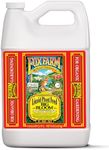
Fox Farm Big Bloom Liquid Plant Food - Organic Bloom Fertilizer for Flowering & Fruiting Plants, Contains Earthworm Castings & Bat Guano - Supports All Stages of Plant Growth - 0-0.5-0.7 NPK, 1Gallon

View on Amazon
#2
FoxFarm Soil Liquid Trio Pack - Big

FoxFarm

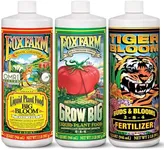
FoxFarm Soil Liquid Trio Pack - Big Bloom, Grow Big, Tiger Bloom Fertilizers Supports Vigorous Plant Growth, Bud Development & Abundant Fruit - Complete Liquid Plant Food Set - 3 Quart Bottles
View on Amazon
#3
Osmocote Smart-Release Plant Food F

Osmocote

27%OFF

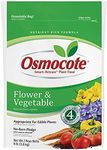
Osmocote Smart-Release Plant Food Flower & Vegetable - Continuous Release Plant Fertilizer for Vegetables and More, 8 lb.
View on Amazon
#4
Miracle-Gro Shake 'N Feed Tomato, F

Miracle-Gro

36%OFF

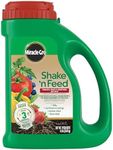
Miracle-Gro Shake 'N Feed Tomato, Fruit & Vegetable Plant Food, 4.5 lb.
View on Amazon
#5
Miracle-Gro Shake 'N Feed All Purpo

Miracle-Gro

19%OFF

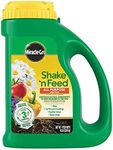
Miracle-Gro Shake 'N Feed All Purpose Plant Food, 4.5 lb.

View on Amazon
#6
Neptune's Harvest Fish & Seaweed Li

Neptune's Harvest

Neptune's Harvest Fish & Seaweed Liquid Fertilizer (2-3-1) - 1 Gallon Bottle - Plant Food for Garden - Indoor & Outdoor Organic Plant Fertilizer for Vegetables, Flowers, Fruit, and Lawns
View on Amazon
#7
Burpee Bone Meal Fertilizer | Add t

Burpee

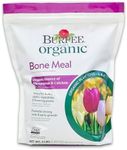
Burpee Bone Meal Fertilizer | Add to Potting Soil | Strong Root Development | OMRI Listed for Organic Gardening | for Tomatoes, Peppers, and Bulbs, 1-Pack, 3 lb (1 Pack)
View on Amazon
#8
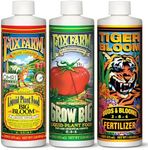
FoxFarm Soil Liquid Trio Pack - Big

FoxFarm

FoxFarm Soil Liquid Trio Pack - Big Bloom, Grow Big, Tiger Bloom Fertilizers Supports Vigorous Plant Growth, Bud Development & Abundant Fruit - Complete Liquid Plant Food Set - 3 Pint Bottles
View on Amazon
#9
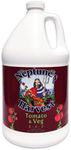
Neptune’s Harvest Organic Tomato &

Neptune's Harvest

5%OFF

Neptune’s Harvest Organic Tomato & Vegetable Plant Fertilizer (2-4-2) - Liquid Plant Food w/Fresh Fish, Seaweed, Molasses, Yucca Extract, & Humic Acids - for Vegetable Garden (Gallon)
View on Amazon
#10
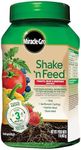
Miracle-Gro Shake 'N Feed Tomato, F

Miracle-Gro

5%OFF

Miracle-Gro Shake 'N Feed Tomato, Fruit and Vegetable Plant Food - Fertilizer for Vegetable Gardens, for In-Ground and Container Plants, Feeds up to 3 Months, 1 lb.

View on Amazon
How do we rank products for you?

Our technology thoroughly searches through the online shopping world, reviewing hundreds of sites. We then process and analyze this information, updating in real-time to bring you the latest top-rated products. This way, you always get the best and most current options available.

headphones-stars

Most Popular Categories Right Now

Buying Guide for the Best Organic Plant Fertilizers

Choosing the right organic plant fertilizer can significantly impact the health and growth of your plants. Organic fertilizers are derived from natural sources and are an excellent choice for promoting sustainable gardening practices. When selecting an organic fertilizer, it's important to understand the key specifications and how they align with your gardening needs. This guide will help you navigate through the essential specs to make an informed decision.
N-P-K RatioThe N-P-K ratio represents the percentage of Nitrogen (N), Phosphorus (P), and Potassium (K) in the fertilizer. Nitrogen promotes leafy growth, Phosphorus supports root development and flowering, and Potassium enhances overall plant health. For leafy vegetables, a higher nitrogen content (e.g., 10-5-5) is beneficial. For flowering plants, a balanced or higher phosphorus ratio (e.g., 5-10-5) is ideal. Choose a ratio based on the specific needs of your plants.
Source of NutrientsOrganic fertilizers can be derived from various natural sources such as compost, manure, bone meal, and seaweed. Each source has its unique benefits. For example, compost is excellent for improving soil structure, while bone meal is rich in phosphorus. Understanding the source helps you select a fertilizer that complements your soil type and plant requirements. If you prefer a specific nutrient source, look for fertilizers that highlight it on the label.
Release RateThe release rate indicates how quickly the nutrients become available to plants. Organic fertilizers can be slow-release or fast-release. Slow-release fertilizers provide a steady supply of nutrients over time, which is ideal for long-term plant health. Fast-release fertilizers offer immediate nutrient availability, suitable for plants needing a quick boost. Consider your gardening schedule and plant needs when choosing the release rate. For consistent growth, slow-release is generally preferred.
Soil pH CompatibilitySoil pH compatibility ensures that the fertilizer will work effectively with your soil's pH level. Most plants thrive in slightly acidic to neutral pH (6.0-7.0). Some organic fertilizers can alter soil pH, so it's important to choose one that matches or adjusts your soil pH to the desired level. Test your soil pH before selecting a fertilizer to ensure compatibility and optimal nutrient uptake by your plants.
Micronutrient ContentMicronutrients such as iron, zinc, and magnesium are essential for plant health, even though they are needed in smaller quantities compared to macronutrients. Some organic fertilizers include these micronutrients, which can prevent deficiencies and promote vigorous growth. If your plants show signs of micronutrient deficiencies (e.g., yellowing leaves), choose a fertilizer that includes these essential elements. Check the label for a comprehensive list of nutrients.
Application MethodThe application method refers to how the fertilizer is applied to the plants. Common methods include granular, liquid, and foliar sprays. Granular fertilizers are easy to apply and provide a slow release of nutrients. Liquid fertilizers offer quick absorption and are ideal for immediate nutrient needs. Foliar sprays are applied directly to the leaves for rapid uptake. Choose an application method that fits your gardening routine and the specific needs of your plants.