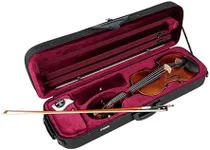
Buying Guide for the Best Student Violins
Choosing the right violin as a student can be a rewarding experience. It's important to find an instrument that not only fits your current skill level but also encourages growth and enjoyment in playing. When selecting a student violin, consider the following key specifications to ensure you make an informed decision that suits your needs and preferences.SizeThe size of the violin is crucial for comfort and playability. Violins come in various sizes, such as 4/4 (full size), 3/4, 1/2, 1/4, and smaller. The right size depends on the player's age, arm length, and overall build. A properly sized violin allows for better posture and technique. To determine the correct size, measure the length from the neck to the middle of the left-hand palm when the arm is fully extended. Choose a violin that matches this measurement to ensure a comfortable fit.
MaterialThe material of the violin affects its sound quality and durability. Most student violins are made from solid wood, such as spruce for the top and maple for the back, sides, and neck. These woods provide a good balance of sound and resilience. Some cheaper models may use laminated wood, which is less desirable as it can affect the tone and longevity of the instrument. Opt for a violin made from solid wood to ensure a richer sound and better overall quality.
CraftsmanshipThe craftsmanship of a violin influences its playability and sound. Well-crafted violins have smooth, even surfaces, properly fitted parts, and a good finish. Check for any visible defects, such as cracks or uneven seams. The fingerboard should be smooth, and the pegs should turn easily without slipping. A well-made violin will be easier to tune and maintain, providing a better playing experience for the student.
Sound QualitySound quality is a key factor in choosing a violin. A good student violin should produce a clear, warm, and balanced tone. While it's challenging for beginners to assess sound quality, it's helpful to have a teacher or experienced player test the instrument. Listen for any buzzing or muffled sounds, which can indicate poor construction. A violin with good sound quality will make practice more enjoyable and rewarding.
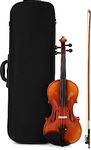
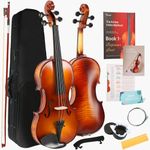
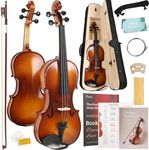
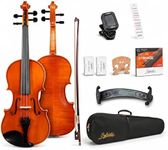
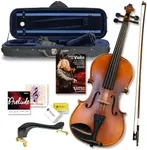
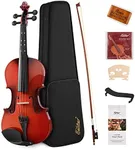
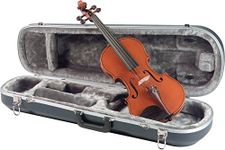
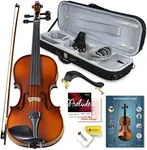
AccessoriesStudent violins often come with essential accessories, such as a bow, case, rosin, and shoulder rest. The quality of these accessories can vary, so it's important to ensure they are functional and durable. The bow should be straight and well-balanced, the case should provide adequate protection, and the rosin should be easy to apply. Having reliable accessories will support the student's learning process and help maintain the violin in good condition.
SetupThe setup of a violin refers to the adjustment of its components, such as the bridge, strings, and sound post. A proper setup ensures the violin is easy to play and produces the best possible sound. Many student violins come pre-set, but it's worth having a professional luthier check and adjust the setup if necessary. A well-set-up violin will be more responsive and comfortable to play, aiding the student's progress.